What Greer’s Climate Demands from Your HVAC System
Greer’s Upstate climate keeps HVAC systems on their toes. Summers are long, hot, and humid—often pushing the heat index into the upper 90s—while winters can swing from mild afternoons to sudden overnight freezes. Add in heavy spring pollen, summer thunderstorms, and the occasional ice event, and it’s clear why heating and cooling in Greer, SC requires equipment and strategies tailored to local conditions.
The most comfortable Greer homes are designed around precise sizing, dependable dehumidification, and efficient airflow. A proper load calculation (often called a Manual J) considers your home’s square footage, insulation levels, window exposures, and air leakage. Right‑sized equipment runs longer, steadier cycles that remove more moisture, leaving indoor humidity nearer to the ideal 45–55% range. That’s critical here; too much humidity makes rooms feel warmer than the thermostat suggests, encourages musty odors, and can amplify allergy symptoms during peak pollen months.
For many households in Greer, modern heat pumps shine because they deliver efficient cooling in summer and comfortable heating in the shoulder seasons. When temperatures dip into the 20s and 30s, a dual‑fuel setup—pairing a heat pump with a gas furnace—can switch intelligently to whichever heat source is most efficient and comfortable, helping you save energy while maintaining toasty indoor temps. Variable‑speed and two‑stage systems further boost comfort by smoothing out temperature swings and improving moisture control. Pair that with an ECM blower motor and you’ll notice quieter operation and better airflow to rooms that used to lag behind.
Don’t overlook air quality. Between pollen, dust from construction growth, and everyday indoor contaminants, filtration and ventilation matter. Upgrading to a deep‑media filter (MERV 11–13, where suitable) can capture finer particles without overly restricting airflow, especially helpful in households with pets or allergy sufferers. And because Greer homes range from renovated bungalows to new builds, ductwork quality varies widely. Sealed, right‑sized ducts and balanced supply/return pathways are often the hidden heroes of comfort. For trusted local guidance rooted in Upstate experience, consider Heating and Cooling Greer SC to match solutions to your home’s exact needs.
Reliable Repair, Maintenance, and Energy Savings for Upstate Homes
Even top‑notch systems need consistent care—especially in a place like Greer where HVAC runs hard most of the year. Common issues include short‑cycling due to incorrect sizing or clogged filters, frozen or dirty coils from insufficient airflow, thermostat miscalibration that throws off comfort and efficiency, and duct leaks that leave certain rooms sweltering while wasting conditioned air in attics or crawlspaces. Heat pump icing in winter, seized blower motors, weak capacitors, cracked furnace heat exchangers, and condensate backups in summer can compound into bigger problems if ignored.
A proactive maintenance plan pays for itself in comfort, safety, and lower utility bills. Aim for two seasonal tune‑ups: one in spring for cooling and one in fall for heating. A thorough visit typically includes coil cleaning, verifying refrigerant charge and superheat/subcool, checking total external static pressure (to catch airflow restrictions), testing blower performance, measuring gas pressure and combustion safety on furnaces, tightening electrical connections, calibrating the thermostat, and flushing/clearing the condensate drain to prevent attic or closet leaks. Regular filter changes—every 60–90 days for standard 1‑inch filters, or longer intervals for high‑capacity media filters—protect your equipment and indoor air.
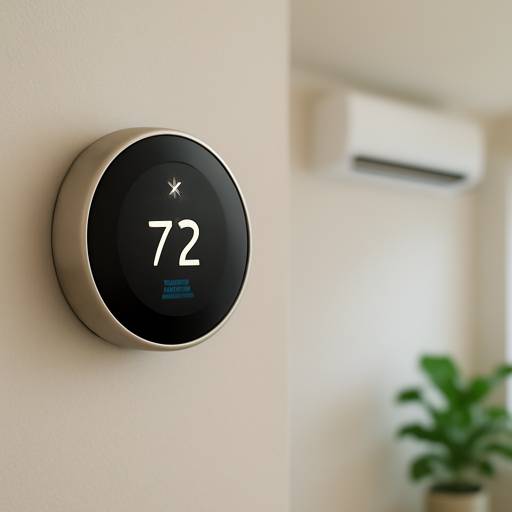
When it’s time for an upgrade, today’s variable‑speed inverter heat pumps and high‑efficiency furnaces engineered for Southeast climates can slash energy use and enhance moisture control. Duct improvements—sealing joints, adding returns, or resizing restrictive runs—often deliver some of the fastest paybacks. For bonus rooms, garages, or finished basements, ductless mini‑splits provide targeted comfort without overhauling existing duct systems. Smart thermostats further optimize performance with schedules that reflect your daily routine and Greer’s seasonal shifts, while careful humidity management makes homes feel cooler at higher setpoints, meaning fewer compressor run hours.
Good efficiency isn’t just about equipment; it’s a system. Ceiling fan direction, attic insulation, and air sealing all influence how hard your HVAC must work. Local professionals familiar with Upstate homes—many of them family‑owned and community‑minded since the early 2010s—can prioritize improvements by impact and budget. If you’ve noticed rising energy bills, uneven room temperatures, musty smells, or frequent service calls, that’s your cue to schedule a thorough assessment. Small adjustments often prevent major repairs, and utility rebates or manufacturer incentives may help offset upgrade costs when the timing is right.
Real Greer Examples: Solving Comfort Problems Room by Room
Consider a two‑story home near Riverside where the upstairs stayed 5–7 degrees hotter than the main level every summer afternoon. The homeowner had tried closing first‑floor vents and cranking the thermostat, but the system simply fell behind by mid‑day. A comprehensive assessment found undersized returns and high static pressure in the ductwork, constraining airflow. The solution combined a variable‑speed heat pump, additional return air in the hallway, and balancing dampers to direct more supply to the second floor. After commissioning and airflow verification, upstairs temperatures held within 1–2 degrees of the setpoint—even during July heat—and energy usage dropped about 20% thanks to longer, lower‑speed cooling cycles that removed more humidity.
In a renovated downtown Greer bungalow, the problem was persistent indoor humidity and a musty odor after thunderstorms. The air conditioner ran frequently, yet indoor relative humidity hovered around 60–62%. Technicians discovered leaky supply ducts in the crawlspace and a grimy indoor coil that limited heat transfer. After sealing the ducts, cleaning the coil, and installing a whole‑home dehumidifier tied into the existing supply plenum, indoor humidity stabilized near 48–50% with a modest 74°F setpoint. A MERV 11 media filter reduced pollen and dust that used to settle on surfaces within a day. The homeowner reported fewer allergy flare‑ups and a fresher, more comfortable feel without overcooling—proof that moisture control is as important as temperature in the Upstate.
Another case on the Greer–Taylors border involved a high‑efficiency gas furnace that locked out intermittently during the coldest nights. While parts had been replaced previously, the root cause persisted. A detailed inspection traced the issue to a mis‑pitched vent and a poorly trapped condensate line, causing water to back up under certain wind and temperature conditions. Correcting the flue slope, adding a proper condensate trap, and installing a simple surge protector for the control board eliminated the nuisance shutdowns. The homeowner enrolled in a twice‑yearly maintenance plan, which now includes combustion checks, gas pressure verification, and carbon monoxide safety testing each fall for peace of mind.
Stories like these are common in Greer because every home has its quirks—room additions, tight crawlspaces, or previous DIY fixes that complicate airflow and drainage. The most successful outcomes start with a full picture: load calculations, duct diagnostics, static pressure readings, and a clear discussion of goals (quieter operation, cleaner air, better humidity control, or lower bills). With that roadmap, upgrades can be prioritized: maybe start by sealing ducts and adding a return, then move to a variable‑speed system when the existing unit reaches end of life. By focusing on comfort, efficiency, and reliability—not just equipment tonnage—households across Greer achieve steadier temperatures, lower humidity, and smoother, quieter operation.
Since 2013, many Upstate homeowners have turned to a local, family‑owned team with deep roots in residential installations, service, and maintenance to deliver those results. Whether your goal is tackling hot‑and‑cold spots, banishing musty odors, or cutting summer energy bills, a tailored plan anchored in Greer’s unique climate will make your home feel better in every season. From smart thermostats and balanced ductwork to right‑sized heat pumps and whole‑home dehumidifiers, the right combination transforms comfort from a daily struggle into a set‑it‑and‑forget‑it routine that simply works.

Munich robotics Ph.D. road-tripping Australia in a solar van. Silas covers autonomous-vehicle ethics, Aboriginal astronomy, and campfire barista hacks. He 3-D prints replacement parts from ocean plastics at roadside stops.