Why Rug Cleaning in Manhattan Demands a Different Approach
From brownstone stoops to high-rise lobbies, Manhattan rugs take a beating. Grit from sidewalks, elevator dust, steam heat particulates, and year-round foot traffic settle deep into fibers. That debris doesn’t just dull colors—it acts like micro-sandpaper, wearing down pile with every step. A city-specific plan for rug cleaning Manhattan isn’t a luxury; it’s essential preservation for your textiles and the health of your space.
Indoor air quality matters in dense urban environments. Wool, cotton, and other natural fibers trap allergens, soot, and pet dander. Routine vacuuming helps, but it doesn’t remove deeply embedded soil or neutralize odor-causing bacteria. Professional service goes beyond surface clean-up: it includes dust extraction, fiber-safe washing, and controlled drying that prevents color bleeding and mildew. The results are brighter hues, restored softness, and cleaner air.
Logistics count too. Co-ops and condos often require COIs, scheduled elevator windows, and floor protection for pickups. In pre-war walk-ups, careful handling prevents scuffs on stairwells and frames. Reliable teams plan around building rules, doorman hours, and neighborhood parking realities from the Upper East Side to SoHo. Whether it’s a fragile silk runner in Tribeca or a plush Moroccan in Harlem, experienced technicians adapt to each building and rug as if both were irreplaceable.
Then there’s the sustainability factor. New Yorkers value services that are safe for kids, pets, and the planet. Eco-friendly, non-toxic detergents and rinse agents reduce residues while delivering a deep clean. pH-balanced solutions protect dyes, and enzyme treatments break down pet accidents at the source without harsh fumes. This balance of effectiveness and responsibility defines modern rug cleaning Manhattan services that fit the city’s pace and priorities.
Frequency depends on lifestyle and location. Street-level apartments and homes with pets may need professional cleaning every 6–12 months, while low-traffic guest rooms can stretch to 18 months. Rotating rugs seasonally evens out sun fade and wear, while custom-cut pads add cushion, reduce slippage on hardwood, and absorb impact that frays edges over time. These small steps multiply the lifespan of your favorite pieces.
Methods That Protect Your Rugs: From Persian Wool to Viscose Blends
No two rugs are alike. A thoughtful, fiber-specific process is the difference between refreshing a rug and permanently altering its color or hand-feel. The journey typically begins with a thorough inspection: hand-testing for dye stability, checking for moth activity, mapping stains, and identifying construction (hand-knotted, hand-tufted, machine-woven, flatweave). This determines the safest, most effective route for cleaning.
Step one is dry soil removal. Even the best home vacuums leave behind embedded grit. Professional dusting equipment dislodges particles that dull pile and split fibers. For resilient synthetics like nylon or polypropylene, careful hot-water extraction can lift oily residues and restore bounce. For wool, pH-balanced solutions maintain the natural lanolin and prevent felting, while controlled moisture keeps dyes where they belong. High-end Persian and Oriental rugs often benefit from immersion hand-washing in a dedicated wash pit, followed by gentle rinsing that carries away soil without stripping the fiber.
Delicate materials demand special handling. Silk requires cool water and gentle surfactants to preserve sheen. Viscose and rayon blends—common in contemporary designs—do not respond well to aggressive moisture or heat. Low-moisture techniques, fast extraction, and careful grooming prevent pile distortion and water rings. For tufted rugs with latex backings, over-wetting can loosen adhesive, so technicians use targeted cleaning and controlled drying to avoid delamination.
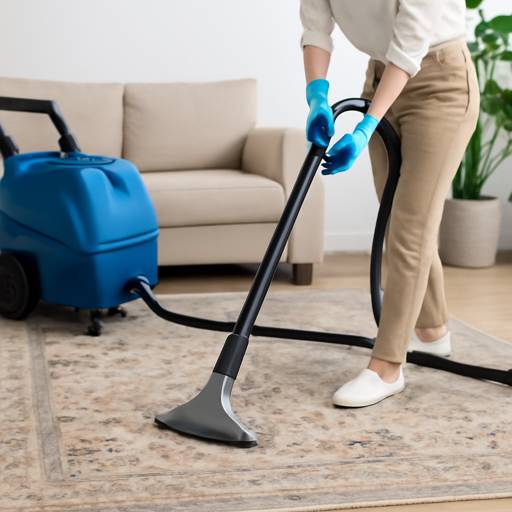
Odor and stain care is its own science. Pet urine can cause dye migration and odor that lingers even after surface cleaning. Enzymatic and oxidizing treatments (selected for fiber safety) work at a molecular level to neutralize bacteria and break down uric crystals. Wine, coffee, and ink stains each get custom protocols; the wrong DIY product can set stains or bleach fibers. Fringe detailing is done by hand to prevent fraying and discoloration, then the rug is groomed to align pile.
Drying is critical. Airflow, temperature, and humidity are controlled in a dedicated environment to prevent shrinkage, browning, or mildew. Blocking reshapes rugs to true square, while final inspection catches any shadow stains for a second treatment. A fabric protector can be applied to resist spills and ease future cleanings, and moth deterrent treatments are offered when storage or low traffic makes a rug vulnerable.
Real-World Manhattan Scenarios and Pro Tips for Long-Lasting Results
Consider a Chelsea loft with a hand-knotted Moroccan wool. A puppy’s accident soaked into the thick pile and backing. After dye testing, the rug underwent dusting, targeted urine decontamination, gentle wool-safe washing, and extended airflow drying. The odor was neutralized at the source, and pile grooming restored the rug’s fluffy character. Replacing a rug like this would cost thousands; professional care saved the client money and preserved a cherished piece.
In a Midtown office lounge, a high-traffic nylon area rug turned dingy with coffee spills and toner dust. Low-foaming detergents and hot-water extraction lifted oily soil while protecting the backing from bubbles or rippling. Quick drying minimized downtime, important for commercial spaces. A protector treatment reduced re-soiling, extending the time between professional visits and keeping the space presentable for clients and staff.
Upper West Side residents often battle air soot that settles into Persian wool. Over time, that fine dark film steals vibrancy. Full bath washing in a dye-safe environment removes embedded particulates that ordinary cleaning can’t touch. After rinsing and blocking, the reds and indigos come back to life without compromising the subtle abrash that gives hand-knotted rugs their character. For a FiDi high-rise that experienced a minor radiator leak, rapid response was key: saturation mapping, water extraction, anti-microbial application, and accelerated drying prevented buckling and odor.
Day-to-day care tips help your investment last. Blot spills immediately with a clean white towel—never rub, which can distort pile and force stains deeper. Use cool water first; if needed, add a drop of mild clear dish soap, then rinse with clean water and blot dry. Avoid colored cloths and harsh chemicals. Skip baking soda; it compacts in fibers and can be hard to remove. For red wine, seltzer can help lift pigments, but test in a discreet spot. When in doubt, call a pro—especially with silk, viscose, or older vegetable-dyed rugs where color migration is a risk.
Smart maintenance schedules make life easier. Vacuum weekly with a canister vacuum and a smooth floor tool for fringes and delicate piles; avoid beater bars on silk and loose weaves. Rotate rugs every six months to even out sun exposure and traffic. Use a quality rug pad tailored to your floor type to prevent slipping and to absorb impact. For tenants and co-op owners, plan professional cleanings ahead of moves or renovations; reputable teams can provide certificates of insurance, protect elevators and corridors, and coordinate with building staff to streamline pickup and delivery.
Finally, choose a service that aligns with Manhattan living: responsive scheduling, knowledgeable technicians, and green methods that prioritize health without sacrificing results. Whether it’s an heirloom Kashan, a minimal flatweave in a West Village studio, or a durable runner for an East Harlem hallway, expert care preserves color, texture, and structure—so your rugs look stunning and stand up to the city’s daily rhythm.

Munich robotics Ph.D. road-tripping Australia in a solar van. Silas covers autonomous-vehicle ethics, Aboriginal astronomy, and campfire barista hacks. He 3-D prints replacement parts from ocean plastics at roadside stops.