What “Hand-Raised” Really Means—and Why It Matters
When a bird is described as hand-raised, it means trained aviculturists have gently cared for the chick from an early age, providing warmth, syringe-feeding during the nursery stage, and daily interaction that builds trust. This careful approach shapes a parrot’s lifelong comfort with people. Instead of seeing humans as a source of stress, a well-raised youngster learns that hands are safe, treats are fun, and training is rewarding. The result is a companion with calmer body language, easier step-up behaviors, and a stronger bond with the household.
Ethical hand-rearing goes hand-in-hand with responsible timing and weaning. Chicks should not be pulled too early, and they must be fully weaned—eating solids confidently—before going home. Proper weaning means the bird can maintain ideal weight, explore a variety of foods, and remain curious rather than anxious in new environments. Reputable breeders and bird farms also monitor growth charts, socialization milestones, and feather development, ensuring the young parrot’s progress is steady and healthy. Many provide documentation such as hatch dates, weights, and in some cases DNA sexing, which can be useful for long-term care planning.
Socialization is more than “handling often.” Thoughtful programs pair gentle handling with exposure to normal household sights and sounds—vacuum noise, doorbells, and children’s voices—so a parrot develops resilience. Introducing age-appropriate toys and foraging encourages problem-solving and confidence. Professional teams at trusted bird farms work from set protocols: clean brooding, biosecurity, proper ambient temperatures, and feeding schedules adapted to each species. These details protect a young parrot’s digestive health, prevent chilling or overheating, and support consistent development.
When browsing hand raised parrots for sale, look for sellers who emphasize transparent communication and aftercare. A partner-minded approach—like the one embraced by Pet Birds Breeders Farm and their wider network—means guidance doesn’t end at checkout. Instead, you receive practical help as you prepare the enclosure, refine diet, and schedule the first vet visit. That collaborative support is essential during the exciting transition from nursery to new home, helping your parrot maintain steady appetite, stable weight, and a positive attachment to its new family.
Choosing the Right Species and Temperament for Your Home
Each parrot species offers a distinct blend of size, voice, energy level, and social style. Matching these traits to your lifestyle ensures harmony over the long term. For quieter living spaces, many families appreciate cockatiels and budgies for their gentle chatter, smaller cages, and affectionate natures. Playful and cuddly, green-cheek conures bring vibrant personalities in a compact package; they’re interactive without the booming volume of larger conures. Those seeking advanced communication often consider African greys, known for cognitive brilliance and sound mimicry; they crave stable routines, problem-solving toys, and consistent enrichment to thrive.
If you enjoy spirited, comedic energy, Quakers (monk parakeets) and certain Amazon parrots can be lively crowd-pleasers, though some reach louder volumes and need confident, positive training. Eclectus parrots are admired for their striking sexual dimorphism and measured temperaments, but they benefit from careful dietary management. For seasoned keepers, cockatoos and macaws deliver massive personalities and affectionate bonds, balanced with higher time commitments, larger enclosures, and structured routines to prevent boredom-related behaviors. No matter the species, a hand-raised bird’s early trust makes social learning smoother, but daily interaction remains essential.
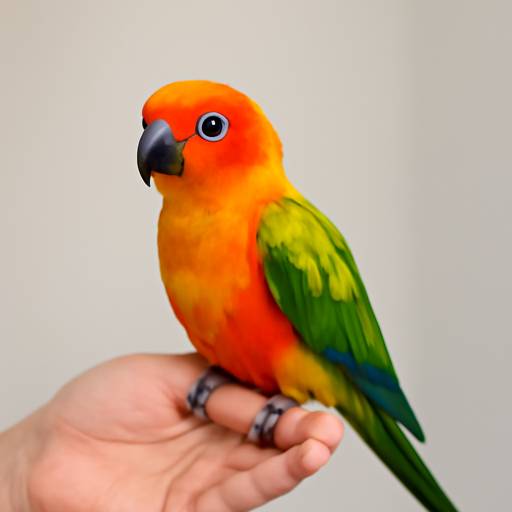
Consider your daily schedule, travel frequency, and noise tolerance. Ask: How many hours of out-of-cage time can be offered? Is there space for a play gym outside the primary enclosure? Who will lead enrichment, target training, and fresh-food prep? Thoughtful answers help a reputable seller pair you with the best fit. At Pet Birds Breeders Farm, the team’s consultative approach prioritizes the match: a retiree seeking a gentle lap companion might thrive with a cockatiel, while an active household might enjoy a green-cheek conure’s playful antics. An experienced trainer who loves complex shaping games might be best matched with an African grey or Amazon.
Case example: A city-dwelling couple with limited space and neighbors nearby selected a hand-raised green-cheek conure. Pre-purchase conversations clarified expected vocal ranges, cage footprints, diet, and daily routines. By the time their bird arrived weaned and socialized, they had a pellet-and-veggie meal plan ready, quiet-time schedules mapped out, and simple training goals set. The result was a smooth transition, minimal stress vocalizations, and quick progress on step-up and target behaviors—demonstrating how the right species plus thoughtful preparation yields a happier companion and household.
Bringing Your Hand-Raised Parrot Home: Setup, Care, and Ongoing Support
Preparation makes the first 48 hours calm and confidence-building. Set up the enclosure in a well-lit room away from drafts and kitchen fumes. Choose a cage sized to the species with appropriate bar spacing, multiple natural-wood perches of varying diameters, and several toy “zones” for shredding, chewing, and foraging. Place bowls so the bird can access food and water without contorting, and add a stable platform or training perch near the door to simplify step-up sessions. A separate play stand beyond the cage encourages independent exploration and reduces territorial feelings.
Diet underpins long-term wellness. A balanced plan combines a high-quality pellet base with daily fresh vegetables (think leafy greens, bell peppers, squash), limited fruit, soaked or sprouted grains/legumes, and seeds used primarily as training rewards. Rotate textures and colors to nurture curiosity and reduce pickiness. Offer clean water twice daily, and mind portion sizes to keep weight steady. Many hand-raised parrots transition easily to pellets and fresh foods because they were introduced early during weaning; maintain that variety at home to reinforce good habits. Regular scales and simple weight logs help you spot changes promptly and consult avian professionals as needed.
Training and enrichment sustain the bond forged during hand-rearing. Short, upbeat sessions using positive reinforcement build reliability on “step up,” “stay,” and recall. Introduce target sticks, foraging trays, and puzzle toys to channel energy productively. Rotate toys weekly to prevent novelty fatigue, and schedule 10–12 hours of uninterrupted sleep each night in a dim, quiet space. If your household already has birds, use quarantine protocols and a wellness check with an avian veterinarian before introductions. After travel or shipping, offer calm reassurance, dim evening lighting, and predictable routines so the bird settles, eats, and rests.
Real-world scenario: A family welcomed a hand-raised Senegal parrot shipped from a reputable farm. Because they prepared a quiet room, warmed soft foods, and had a training plan ready, the bird accepted the new environment quickly—sampling pellets the first evening, stepping up gently the next day, and target-training by day three. Ongoing support from the breeder—feeding tips, toy suggestions, and guidance on reading body language—helped them navigate molting and first vet visits with confidence. This collaborative approach reflects best practice: buyer, breeder, and bird working as a team. With consistent routines, respectful handling, and a home designed for exploration, your companion parrot can flourish—remaining curious, connected, and joyfully engaged for decades.

Munich robotics Ph.D. road-tripping Australia in a solar van. Silas covers autonomous-vehicle ethics, Aboriginal astronomy, and campfire barista hacks. He 3-D prints replacement parts from ocean plastics at roadside stops.
0 Comments