When a range stops heating, clicks without igniting, or throws a stubborn error code, it disrupts more than a recipe—it upends the rhythm of a busy Orange County household. From weeknight meals in Irvine to weekend gatherings in Newport Beach, dependable cooking equipment is essential. Homeowners and property managers across the county count on prompt, precise range repair to restore safety, consistency, and confidence in the kitchen.
Whether the appliance is a modern induction cooktop in Costa Mesa, a classic gas range in Anaheim, or a chef-inspired dual-fuel model in Laguna Niguel, the right fix requires expert diagnostics, quality components, and meticulous calibration. Licensed, insured technicians who specialize in both mainstream and luxury brands—like Wolf, Thermador, Viking, Monogram, and more—can resolve issues quickly and help prevent repeat breakdowns by using genuine factory parts and manufacturer-approved procedures.
Orange County’s unique blend of coastal climates, busy family schedules, and high-performance kitchens means repair needs often arise without warning. Same-day service, transparent communication, and thorough workmanship are the difference between a derailed evening and a meal served right on time.
Common Range Problems in Orange County Homes and How Pros Fix Them
Ranges may look similar on the surface, but the underlying systems for gas, electric, and induction models vary significantly. A professional approach begins with targeted diagnostics to determine whether a symptom—like a burner that won’t light or an oven that runs cold—stems from ignition, heating elements, sensors, control boards, or a safety interlock.
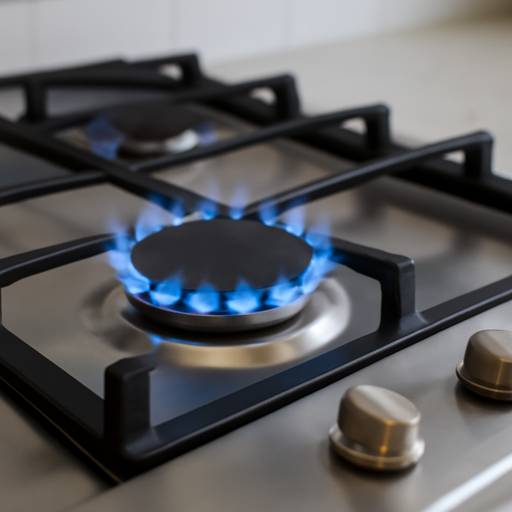
For gas ranges, the most frequent complaints involve burners that click but don’t ignite, delayed ignition, or uneven flames. Experienced technicians inspect the igniter tip for residue, verify spark strength, and confirm gas flow through the orifice. If sparks are weak or inconsistent, the spark module, switch harness, or igniter wires may be at fault. When flames are low or yellow, techs look for clogged ports, regulator problems, or air shutter misadjustments. Ovens that fail to heat often trace back to a weak hot-surface igniter, a faulty flame sensor, or a safety valve that no longer opens reliably. In coastal neighborhoods like Huntington Beach or Newport Beach, salt air can accelerate corrosion around burner assemblies, necessitating thorough cleaning or replacement to restore safe, even combustion.
Electric ranges bring a different set of issues: an oven that never reaches temperature, broil not working, or frequent tripping of the breaker. Technicians test continuity on the bake and broil elements, check the temperature sensor’s resistance, and verify relay board output. A shorted element can arc at the terminal block, while a failing relay can cause intermittent preheat. Cooktop elements that cycle too quickly or not at all may stem from bad infinite switches or control boards, which trained pros evaluate under load for accurate results.
Induction ranges can flash fault codes tied to pan detection, IGBT modules, or cooling fans. Here, an expert reads manufacturer diagnostics, inspects the coil and fan assemblies, ensures adequate ventilation, and updates firmware if specified by the brand. Across all range types, precise calibration with a thermocouple or oven thermometer ensures that a “350°F” setting actually delivers 350°F—a crucial step for baking and roasting consistency.
Because kitchens often include high-end appliances in Orange County, specialized knowledge matters. Technicians familiar with luxury models understand sealed burner assemblies, dual-stacked burners, and convection systems with sophisticated airflow designs. By combining that expertise with OEM parts and factory-recommended procedures, homeowners get repairs that last and performance that feels like new.
DIY Checks vs. Calling a Licensed Technician: Safety, Speed, and Savings
Some symptoms have simple solutions that homeowners can handle safely. If a gas burner won’t light, it’s worth confirming that the burner cap is seated correctly and that the igniter is clean—use a soft brush or a cotton swab to remove grease without damaging the tip. Make sure the cooktop surface is dry after cleaning; moisture can prevent sparking. For electric ovens that seem cool, verify the circuit breaker isn’t tripped and that the outlet provides power. If the oven appears to heat inconsistently, place a quality oven thermometer inside and run a calibration cycle per the user manual to fine-tune temperature accuracy.
Before calling for help, double-check simple settings that can masquerade as failures: a child lock engaged on the control panel, a delayed start timer accidentally enabled, or a convection mode selected when traditional bake was intended. If an induction burner won’t engage, test with a known magnetic pan and ensure the pot covers the coil center.
However, many range issues involve hazards best left to licensed professionals. If there’s a gas odor, shut off the appliance, ventilate the area, and contact a technician immediately—do not attempt to light burners or use electrical switches. Replacing gas valves, addressing regulator issues, and repairing spark modules or harnesses require training to ensure safe operation. On electric units, live-voltage testing, relay diagnostics, and control board work also demand proper tools and safety protocols. Attempting DIY on these components can create fire or shock risks and may void warranties.
Calling a qualified Orange County range repair technician offers three advantages: speed, precision, and protection. First, same-day scheduling minimizes disruption, especially important for families in Irvine, Santa Ana, or Mission Viejo who rely on a dependable dinner routine. Second, expert diagnostics reduce guesswork; instead of replacing parts by trial and error, pros isolate the root cause and fix it correctly the first time. Third, reputable services back their work with warranties on both parts and labor and use genuine factory parts designed for exact fit and longevity, which helps safeguard the investment in premium appliances.
If you’re weighing next steps, consider a brief checklist: smell gas or see scorching at a terminal block—call immediately; repeated tripping of the breaker—call; visible cracks on a bake element—call; persistent temperature swings greater than 25°F after calibration—call. Quick action prevents collateral damage and usually lowers the total repair cost.
Local Service Scenarios, What to Expect, and How to Maximize Range Performance
Orange County’s kitchens are as varied as its neighborhoods, so it helps to know how a professional visit unfolds and how local conditions influence repairs. Scheduling is typically straightforward: same-day appointments are often available across Anaheim, Tustin, Lake Forest, Yorba Linda, and surrounding areas. Expect a diagnostic visit where the technician arrives with common parts on the truck—igniters, elements, sensors, switches, and gaskets—to resolve many issues on the spot. If a specialized component is required, reputable services offer expedited sourcing and keep you updated on timing. Clear upfront pricing for diagnostics and labor ensures there are no surprises, and the fee is commonly applied to the completed repair.
Real-world examples showcase what effective service looks like. In Newport Beach, a dual-fuel oven that wouldn’t hold temperature was traced to a weak bake igniter and a slightly out-of-spec temperature sensor; both were replaced and the oven was recalibrated to nail 350°F within a 5°F swing. In Anaheim, a rental property’s electric range repeatedly tripped the breaker—testing revealed a shorted bake element and heat-damaged terminal block; replacement restored safe operation and protected the tenant and property. In Huntington Beach, corrosion from coastal air had compromised two sealed gas burners; new igniters and a thorough burner assembly cleaning brought back crisp, even ignition and a steady blue flame.
To keep a repaired range performing at its peak, a few maintenance practices go a long way. Clean burner caps and ports monthly with non-abrasive tools, and avoid pouring liquids directly over the cooktop. Degrease around gas igniters carefully—harsh chemicals and scrubbing can crack ceramic insulators or foul the spark gap. For electric ovens, inspect door gaskets; a torn or flattened seal leaks heat and forces longer cook times. Give convection fans space by not blocking vents with oversized cookware, and use high-quality pans that match the burner size to prevent sooting or inefficient heating. If your home experiences power fluctuations, ask a technician about surge protection strategies appropriate for ranges and induction units that must remain on dedicated circuits.
Locally informed service also recognizes how Orange County’s microclimates and busy schedules affect appliances. Coastal homes benefit from periodic inspections of burner assemblies to catch early corrosion, while inland areas facing seasonal heat waves may see control boards impacted by high ambient temperatures—keeping ventilation pathways clear is critical. Households that entertain frequently or bake often should consider a professional temperature-calibration check each year to maintain recipe reliability.
When it’s time to book, choose a licensed and insured provider with experience in both standard and high-end brands, fast response times, and access to OEM parts. For trusted local help that prioritizes safety, accuracy, and convenience, many homeowners rely on Orange County Range Repair for prompt diagnostics, on-truck parts, and workmanship that stands behind every fix. That way, the only thing heating up in the kitchen is a perfectly timed meal.

Munich robotics Ph.D. road-tripping Australia in a solar van. Silas covers autonomous-vehicle ethics, Aboriginal astronomy, and campfire barista hacks. He 3-D prints replacement parts from ocean plastics at roadside stops.
0 Comments